Best Affordable Treadmill: Pros, Cons and Alternatives
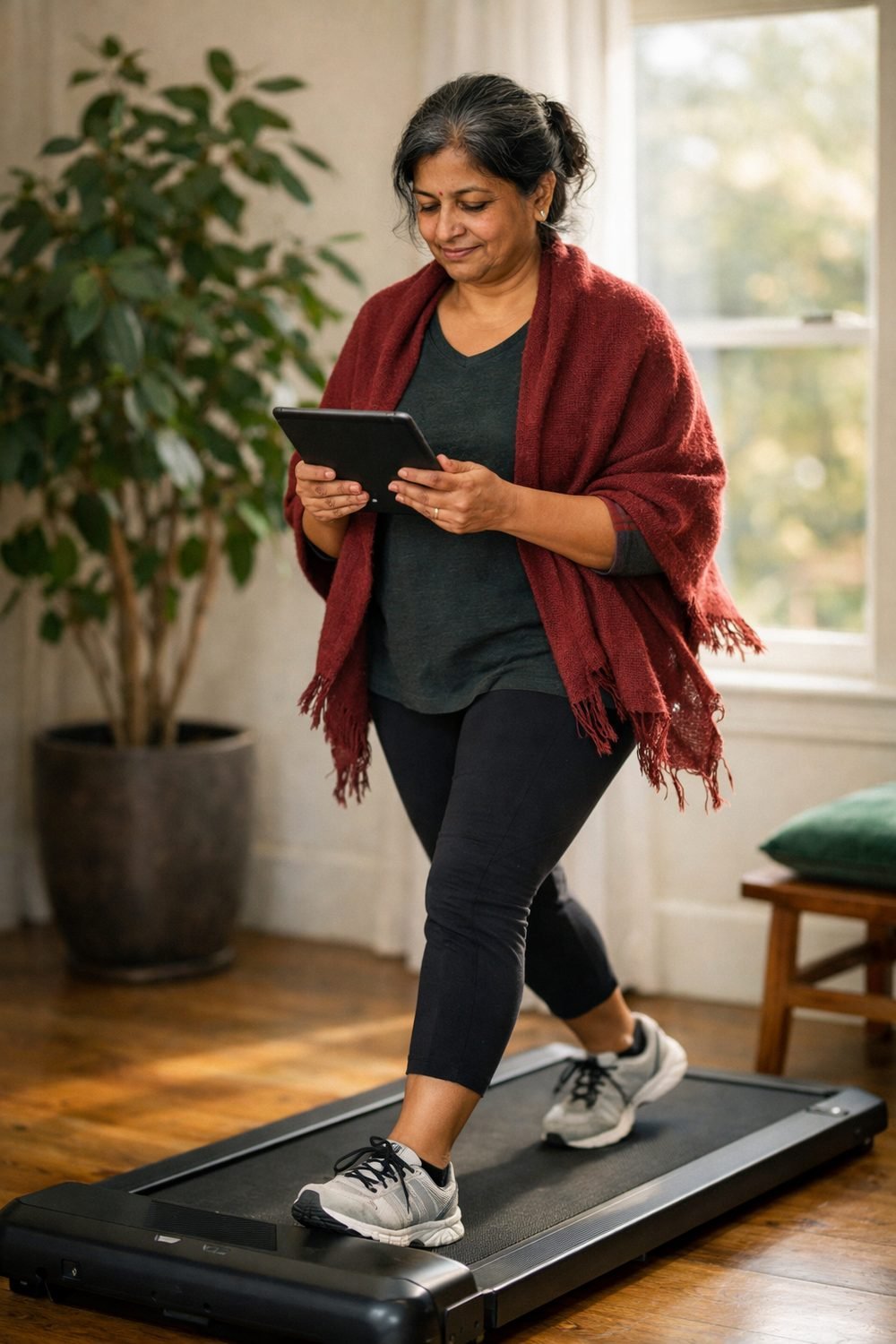
Buying a treadmill on a whim during a rainy winter is a common move, and it often ends up as a very expensive clothes rack for a few months. So I've learned the hard way that the best affordable treadmill depends on your space, your habits and how you actually plan to move. Below are the main options I'd compare before spending anything, with the honest good and bad of each.
No treadmill price lists or brand picks here. Those change fast, so check the seller's page for current details. What doesn't change is what each type does well and where it lets you down.
Short on time? Our top picks: NordicTrack, Sole Fitness, ProForm and Sunny Health & Fitness. See all picks
1. Best Budget Treadmill Options
These are the basic, low-cost machines you'll see in big shops, and you can also buy a treadmill online. The obvious pro is the price. You get a moving belt, a few speed settings and maybe a simple incline, and for a lot of people that's plenty.
The trade-off is usually a smaller belt and a weaker motor. If you're tall or have a long stride, a short belt can feel cramped, like you're about to step off the front. A smaller motor can also strain if you use it daily or run at higher speeds for long stretches. Many affordable models work fine for brisk walks but can get noisy and a bit hot when pushed harder.
Practical tip: Look at the belt length and width and the maximum user weight on the product page before anything else. If you can, stand on one in a store and walk at your normal pace. Thirty seconds tells you more than a long spec list.
2. Best Folding Treadmill Styles
If your treadmill for home has to share space with a sofa, a guest bed or a kid's toy box, folding models make a lot of sense. The deck lifts up and locks, and some roll away on small wheels. That's the big win: you get your floor back when you're done.
The downside is that some folding frames feel less solid than fixed ones. You might notice a little wobble or bounce, especially at faster speeds. That doesn't make them bad. It just means you should check how sturdy it feels before you commit.
Here's something nobody told me. Folding only helps if you actually fold it. If it's heavy or fiddly, you'll probably leave it open, and then it's just a regular treadmill in the way.
Practical tip: Check the folded size, not only the open size. Measure the spot where it'll live, including height, and think about whether you can lift and lower it easily on your own.
3. Walking Pads: Best Treadmill for Walking?
Walking pads, such as the ones from WalkingPad, are a slim, small treadmill option and often have no handrails at all. They slide under a bed or sofa, which is why they're so popular in small flats. These can be more appealing than you might expect. For steady walking while catching up on a show, they're pleasant to use.
But they're not built for hard running. Most have low top speeds and short decks, and without a rail you need decent balance. If your goal is training for a 5K, a walking pad will probably frustrate you. If your goal is simply to walk more on days you can't get outside, it might be exactly right.
Practical tip: Be honest about whether you'll run. If there's even a real chance, skip the walking pad and look at a folding treadmill instead. Buying twice costs more than buying the right thing once.
4. Best Desk Treadmill Choices
These overlap a lot with walking pads, but they're designed to sit under a standing desk so you can walk slowly while you work. The pro is clear: you add movement to hours you'd otherwise spend sitting, without carving out extra time.
The cons are a low top speed and the fact that you need a standing desk, which is its own cost and its own space. Also, typing while walking takes practice. In the first week, it's easy to just answer emails at a crawl and forget to keep moving.
Practical tip: Start with very slow speeds and short sessions. Check the noise level too. If you take video calls, a loud motor will get old quickly, for you and everyone else on the call.
If you're just getting started and want something simple to follow, you can grab our free 1-Week Beginner Workout Routine Planner Page when you join the email list.
5. Used Treadmills
Second-hand treadmills can be a great deal. Lots of people buy one with good intentions, then sell it barely used (I nearly did the same). You can sometimes get a sturdier machine for the price of a new budget one.
The problem is that wear is hard to judge. A belt might look fine and still be close to worn out. The motor might sound okay for a minute and struggle after twenty. And you usually won't get a warranty, so if something breaks, it's on you.
Moving it is the other headache people forget. Many treadmills are heavy and awkward, and you may need a friend, a van or both.
Practical tip: Ask to see it running, and walk on it for a few minutes at different speeds. Listen for grinding or clunking, and watch whether the belt slips or drifts to one side. Ask the seller how often it was used and where it was kept. Garages and damp sheds aren't kind to electronics.
6. A Gym Membership
This one isn't a treadmill you own, but it belongs on the list. A gym like Planet Fitness gives you access to treadmills plus everything else, with no storage, no setup and no repairs. If you're not sure you'll stick with treadmill workouts, it's a lower-risk way to find out.
The cons are travel time and ongoing fees. On a cold, dark evening, the drive can be the thing that stops you. Some people also just don't enjoy exercising around others. Read the contract carefully, too, since cancellation rules vary a lot.
Practical tip: Try a short-term or trial option if one's offered. Track how often you actually go. If you're using the treadmill most visits, that's a sign buying one for home might pay off in convenience.
7. Skipping the Treadmill Entirely
To be straightforward about it: For some people, the best affordable treadmill is no treadmill. Walking outside is free, and a good pair of shoes plus a rain jacket covers a lot of days. Stair climbing, a cheap jump rope or a short home workout can fill in the rest.
This isn't for everyone. If you live somewhere with harsh weather, unsafe roads or no daylight after work, a machine at home can be the difference between moving and not moving. But it's worth asking yourself before you buy.
Practical tip: Try a two-week test. Walk or work out without a treadmill and note which days you skipped and why. If the reason was always weather or time, a treadmill may help. If it was motivation, a machine probably won't fix that on its own.
How I'd Choose
Start with space, then with how you'll use it. Running regularly points toward a sturdier treadmill. Mostly walking points toward a walking pad or a folding model. Tight budget plus patience might mean used. Unsure about all of it? A gym trial is a fair first step.
If you like comparing options side by side, the Home-Gym Equipment Buyer's Guide and Comparison Sheets below this post give you a simple way to line up the features you care about. It helps to write down your needs before buying, especially if a rainy winter is what's pushing the purchase.
Treadmill Brands and Options Worth Comparing
These are real, well-known names that come up often when people shop for a home treadmill, walking pad or gym access. Use them as a starting point for your own comparison.
NordicTrack
Suits people who want a more full-featured home treadmill and plan to run regularly. Check the belt size, motor details and any subscription needed for connected features before you buy.
Sole Fitness
A good name to look at if you want a sturdier folding treadmill for running. Check the folded dimensions and how easy the deck is to lift before you decide.
ProForm
Suits shoppers who want a range of home treadmills to compare in one brand. Check the max user weight and warranty terms on the specific model you like.
Sunny Health & Fitness
Suits budget-minded buyers who want a basic or folding machine for walking and light jogging. Check the belt length against your stride and read the intended use carefully.
WalkingPad
Suits people in small spaces who mainly want to walk at home or under a desk. Check the top speed and whether the model is meant for running at all.
UREVO
Worth a look if you want a compact walking pad or under-desk style machine. Check the noise level and deck size, especially if you take video calls.
Planet Fitness
Suits anyone who wants to test treadmill workouts without buying a machine. Check the contract and cancellation terms, and see how far it is from your home or work.
Check current plans and prices on each brand's own site before you decide.
FAQ
Is an affordable treadmill worth it?
It can be, if it matches how you'll use it. For walking and light jogging, a basic model is often fine. If you plan to run hard or use it every day, check the motor and belt size carefully on the seller's page.
Can I run on a walking pad?
Most walking pads aren't designed for running, and their top speeds are usually low. Check the product details for the maximum speed and intended use. If running matters to you, a regular treadmill is the safer choice.
What should I check on a used treadmill?
Watch it run, walk on it yourself and listen for odd noises. Check that the belt runs straight and doesn't slip. Ask about its age and how much it was used.
Is a treadmill safe if I have health concerns?
That's a question for your doctor or another health professional, not a blog post. They can tell you what kind of exercise and intensity suits you. Once you have the go-ahead, start slow and build up.
Your Next Step
Before you buy anything, get clear on how you want to move each week. Join the email list to get the free 1-Week Beginner Workout Routine Planner Page and give it a real try. Then take a look at the products below this post. The Workout and Hiking Planner and Checklist Bundle is handy for keeping your routine on track, indoors or out, and the buyer's guide will help when you're ready to compare machines.
Printables and tools that can help
Home-Gym Equipment Buyer's Guide and Comparison Sheets
A printable guide and comparison sheets to write down what matters to you before you look at any seller...
See detailsWorkout and Hiking Planner and Checklist Bundle
A printable bundle with a 30-day goal page, weekly planner and checklists for beginners in fitness and...
See details