Best Backpacking Backpacks: How to Pick the Right One
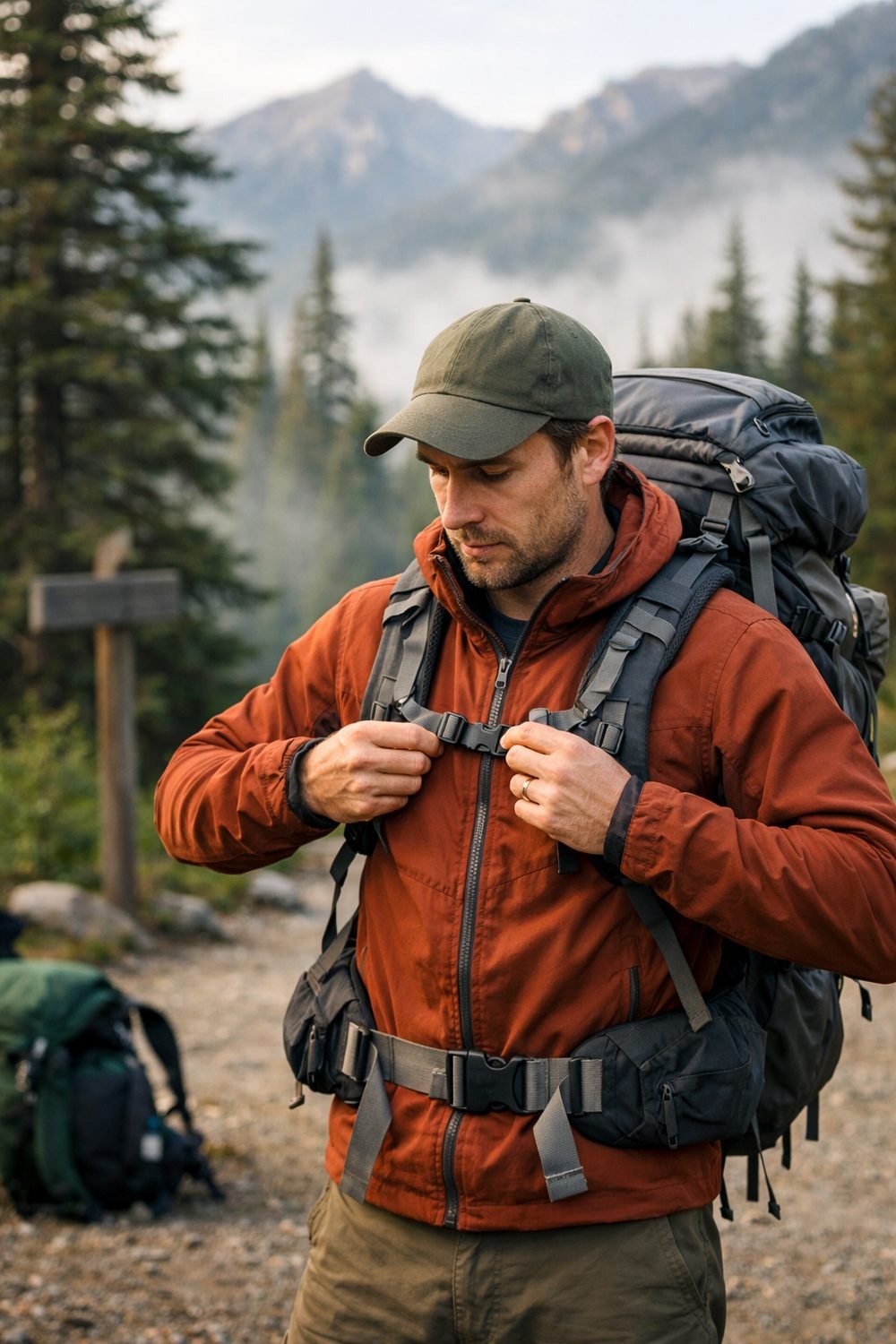
The best backpacking backpacks all have one thing in common: you wear them for hours, sometimes days, with a lot of weight pulling on your shoulders and hips. So fit comes first. Not color, not brand, not that cool little pocket on the shoulder strap. Fit.
Many hikers learn this the hard way. A pack can look great on the store wall and still be a poor fit. Three miles into my first overnight trip, my shoulders were burning and the hip belt kept sliding down. A poorly fitted pack can leave you tugging at straps the whole hike instead of enjoying the trees. The pack wasn't bad. It just wasn't right for my body.
This guide walks you through picking a backpacking pack step by step, from measuring yourself to testing it at home before the return window closes. It's the process I wish someone had handed me before that first trip.
Short on time? Our top picks: Osprey Atmos AG, Osprey Aura AG, Gregory Baltoro and Deuter Aircontact. See all picks
What You Need
You don't need much to get started. Gather these before you shop:
- A soft measuring tape (the cloth kind used for sewing)
- A friend to help you measure your back
- A pen and paper, or a notes app
- A rough idea of the trips you want to take (one night, a weekend, a full week)
- Some of your actual gear, like your backpacking sleeping bag, tent and a water bottle, for testing later
- About 20 to 30 pounds of stuff to load the pack with at home (books, bags of rice and water bottles all work)
Step 1: Measure Your Torso Length
Here's the thing most beginners don't know. Backpack sizes are based on your torso length, not your height. Two people who are the same height can need totally different pack sizes.
To measure, stand up straight and tilt your head forward. Feel for the bony bump at the base of your neck. That's your C7 vertebra, and it's your starting point. Next, put your hands on your hips with your thumbs pointing toward your spine. Your thumbs should land on the top of your hip bones, at about the level of your belt. Have your friend measure from the neck bump down to an imaginary line between your thumbs.
Write that number down. Then compare it to the size chart on the seller's page for each pack you look at. Brands size differently, so a "medium" from Osprey might not match a "medium" from Gregory.
Tip: Measure twice. Measurements can easily be off by almost two inches if you slouch, so stand up straight when measuring. If your number lands right between two sizes, look for a pack with an adjustable torso, or plan to try both sizes.
Step 2: Figure Out the Capacity Your Backpacking Bags Need
Pack capacity is usually listed in liters. Bigger isn't automatically better. A huge pack tempts you to fill it, and then you're carrying stuff you never use.
Think about the trips you'll actually take, not the dream trip you might do someday. Here's a rough way to think about it:
- One or two nights: a smaller pack usually works, especially if your gear packs down small.
- Weekend to a few days: a mid-size pack is the most common pick and covers a lot of trips.
- A week or longer: you'll likely want more room for food and extra layers.
Your gear matters as much as your trip length. A bulky older sleeping bag eats up way more space than a newer compressible backpacking sleeping bag. If you already own your sleeping bag and a lightweight backpacking tent, pay attention to how big they are when packed.
Tip: Most people do mostly weekend trips. If that's you, I'd skip the giant expedition pack. You'll just end up hauling a half-empty bag that flops around.
Step 3: Check the Empty Weight
Every pack has a listed weight, and that's what it weighs with nothing inside. This number adds to every single thing you carry, so it's worth a look.
Lighter packs feel great on the scale. But they often get there by cutting padding, using thinner fabric or dropping the frame. That can be fine if your total load is light. If you're carrying a heavy load, a bit more frame and padding usually makes the trip more comfortable, even though the pack itself weighs more.
Ultralight packs can be a little overrated for beginners. They shine once you've trimmed down the rest of your gear. If you're still carrying a heavy tent and a cast iron mindset, a super thin pack just won't support that weight well.
Tip: Find the weight listed on the seller's page and write it next to the capacity on your notes. Comparing packs side by side on paper makes the tradeoffs easier to see.
Step 4: Look Closely at the Hip Belt
A good hip belt is the secret to a comfortable pack. When it fits right, it carries most of the weight on your hips, which are much stronger than your shoulders. The shoulder straps mostly just keep the pack steady and close to your body.
When you try a pack on, the padded part of the belt should sit right on top of your hip bones, wrapping around them. If it rides up on your stomach or slides down below your hips, the pack is probably the wrong torso size.
Check how thick the padding is and whether it feels firm enough to hold its shape under weight. Some packs have hip belts that come in different sizes or can be swapped, which helps if your waist is on the smaller or larger side.
Tip: Tighten the hip belt first, then the shoulder straps. Most people do it backward. If your shoulders feel sore after an hour, loosen the shoulder straps a little and snug the hip belt more.
By the way, if you're getting ready for your first trips and want to build up some strength first, our free 1-Week Beginner Workout Routine Planner Page is yours when you join the email list.
Step 5: Think About Pockets and Access on Hiking Backpacks
Pockets sound like a small detail until you're hot and thirsty and can't reach your water bottle without taking the whole pack off. Good pockets save you lots of little stops.
Here's what I look for:
- Side pockets you can reach while wearing the pack, for a water bottle
- Hip belt pockets for snacks, lip balm or your phone
- A front stretch pocket for a wet rain jacket or layers you take on and off
- A way into the main compartment besides the top, like a side zipper, so you're not digging for your stuff
That said, more pockets aren't always better. Some packs have so many little zippers that I forget where I put things. A few well-placed pockets beat a dozen tiny ones.
Tip: Practice reaching your water bottle while the pack is on. If you can't grab it and put it back without help, think about a water backpack for hiking with a hydration bladder instead, and check that the pack has a sleeve for one.
Step 6: Check the Return Terms Before You Buy
This step is easy to skip, and it's the one that saves you the most headaches. A pack might feel fine for five minutes in your living room and terrible after an hour with weight inside. You need time to test it.
Before buying, read the return policy on the seller's page. Look at how many days you have, whether the pack needs to be unused or in its original packaging, and who pays for return shipping. Policies are different everywhere, so don't assume.
Tip: Keep all the tags on and test indoors only, on clean floors. Wear clean clothes. That way, if it doesn't work out, the pack is still in returnable shape.
Step 7: Test It at Home With Real Weight
Once your pack arrives, load it with 20 to 30 pounds. Put the heaviest items in the middle, close to your back. Then adjust everything: hip belt first, then shoulder straps, then the load lifter straps near the top of your shoulders.
Now walk around. Go up and down your stairs. Bend over like you're tying a shoe. Wear it for at least 30 minutes, longer if you can. You can wear a loaded pack while doing chores around the house, which may look a bit funny but tells you a lot.
Pay attention to pressure points, rubbing and whether the pack sways when you move. A little getting-used-to is normal. Sharp pain or numbness is not.
Tip: Use a checklist so you don't forget gear on the trip itself. The Workout and Hiking Planner and Checklist Bundle below this post has packing lists you can print and reuse.
Troubleshooting Common Fit Problems
My shoulders hurt after a short walk
This usually means the hip belt isn't carrying enough weight. Loosen the shoulder straps, tighten the hip belt over your hip bones and try again. If it still hurts, the torso size might be too short.
The pack pulls me backward
Your heavy items are probably too far from your back or too high up. Move the heaviest gear to the middle of the pack, right against the back panel. Then snug the load lifter straps a bit.
The hip belt keeps slipping down
Try tightening it while you lift the pack up slightly with your shoulders. If it still slides, the belt may be too big for your waist, or the torso length may be too long for you.
My lower back gets sweaty and sore
Some sweat is normal on any pack. Soreness, though, can mean a bad fit or a load that's too heavy for the frame. Check that the pack's suggested weight range on the seller's page matches what you're carrying. If pain keeps happening, talk to a doctor or physical therapist before your trip.
Backpacking Packs Worth a Look
Here are some well-known packs and makers to start your search. Use your torso measurement to narrow them down, and compare each one against the size chart on its page.
Osprey Atmos AG
A popular pick for people who want a ventilated back panel and a supportive hip belt for multi-day trips. It suits hikers who tend to run warm. Check the size chart carefully, since fit varies by torso length.
Osprey Aura AG
This is the women's-specific counterpart in the same family, with strap and belt shapes designed for many women's frames. It suits anyone who finds unisex or men's packs awkward on the shoulders. Compare torso ranges before picking a size.
Gregory Baltoro
Gregory makes packs known for a focus on adjustable fit and carrying comfort under heavier loads. This one suits people carrying more gear on longer trips. Check the empty weight, since sturdier packs tend to weigh more.
Deuter Aircontact
Deuter is a long-standing German brand with a range of trekking packs built around support and back ventilation. It suits hikers who want a structured frame. Look closely at how the hip belt sits on your hips when loaded.
REI Co-op Flash 55
A lighter-leaning pack from REI's own line that suits newer backpackers on weekend trips with modest loads. Check the suggested load range, because lighter frames can feel less supportive when packed heavy.
Kelty Coyote
Kelty is a familiar name for budget-minded campers and beginners. It suits those who want a straightforward pack without a lot of extras. Check the hip belt padding and torso adjustment to be sure it fits you.
Hyperlite Mountain Gear
This brand focuses on minimalist, ultralight packs. It suits experienced hikers who have already trimmed their gear weight. As noted above, check that the frame can handle your total load before buying.
Check current plans and prices on each brand's own site before you decide.
FAQ
Can I just buy a pack based on my height?
It's best not to. Pack sizes are based on torso length, and people with the same height can have very different torsos. Take the two minutes to measure.
Should I look for a hiking backpack for women or hiking backpacks for men?
Some packs, like the Osprey Atmos AG and Osprey Aura AG pair, come in men's and women's versions with different shoulder strap shapes and hip belt angles. Anyone can wear either style, so pick the one that fits your body best. Try both if you can.
How heavy should my loaded pack be?
There's no single right number, since it depends on your body, your fitness and your trip. Check the pack's suggested load range on the seller's page, and if you have health concerns, ask a doctor what's safe for you.
Is it worth buying a used pack?
It can be, as long as it fits your torso and the straps, buckles and zippers all work. Check the hip belt padding closely, since worn-out foam won't support weight well. Just know you usually can't return a used pack.
Your Next Step
Grab that measuring tape and a friend today and find your torso length. It's the one number that makes everything else easier. While you're getting ready, join the email list to get the free 1-Week Beginner Workout Routine Planner Page so your body is ready for the trail too. Then take a look at the products below this post, including the Workout and Hiking Planner and Checklist Bundle, if you'd like help planning and packing for your first trip.
Printables and tools that can help
Home-Gym Equipment Buyer's Guide and Comparison Sheets
A printable guide and comparison sheets to write down what matters to you before you look at any seller...
See detailsWorkout and Hiking Planner and Checklist Bundle
A printable bundle with a 30-day goal page, weekly planner and checklists for beginners in fitness and...
See details